Always-On Video.
Never Miss a Moment.

Traditional cameras wake up when something happens. Ulticam AOV cameras are already watching.

AOV vs PIR Comparison

AOV VS PIR: Two Very Different Approaches

Always-On Video (AOV) Traditional PIR-Based Cameras
How it works:
  • Camera stays in an ultra-low-power video state
  • Continuously captures key frames
  • AI detects events directly from video
  • Full event timeline is already available
  • Camera sleeps
  • PIR detects motion IR objects
  • Camera wakes up
  • Video recording starts
What you get:
  • Pre-event footage
  • Detection distance is not limited by the sensor
  • Instant detection
  • Complete story, start to finish
  • Delayed recording
  • Missed entry moments
  • Detection range is limited by the PIR sensor (typically only 6-8 meters)
  • Non-infrared objects will be ignored
  • Inconsistent event coverage

Works with Google Home

Manage security effortlessly with Google Assistant.

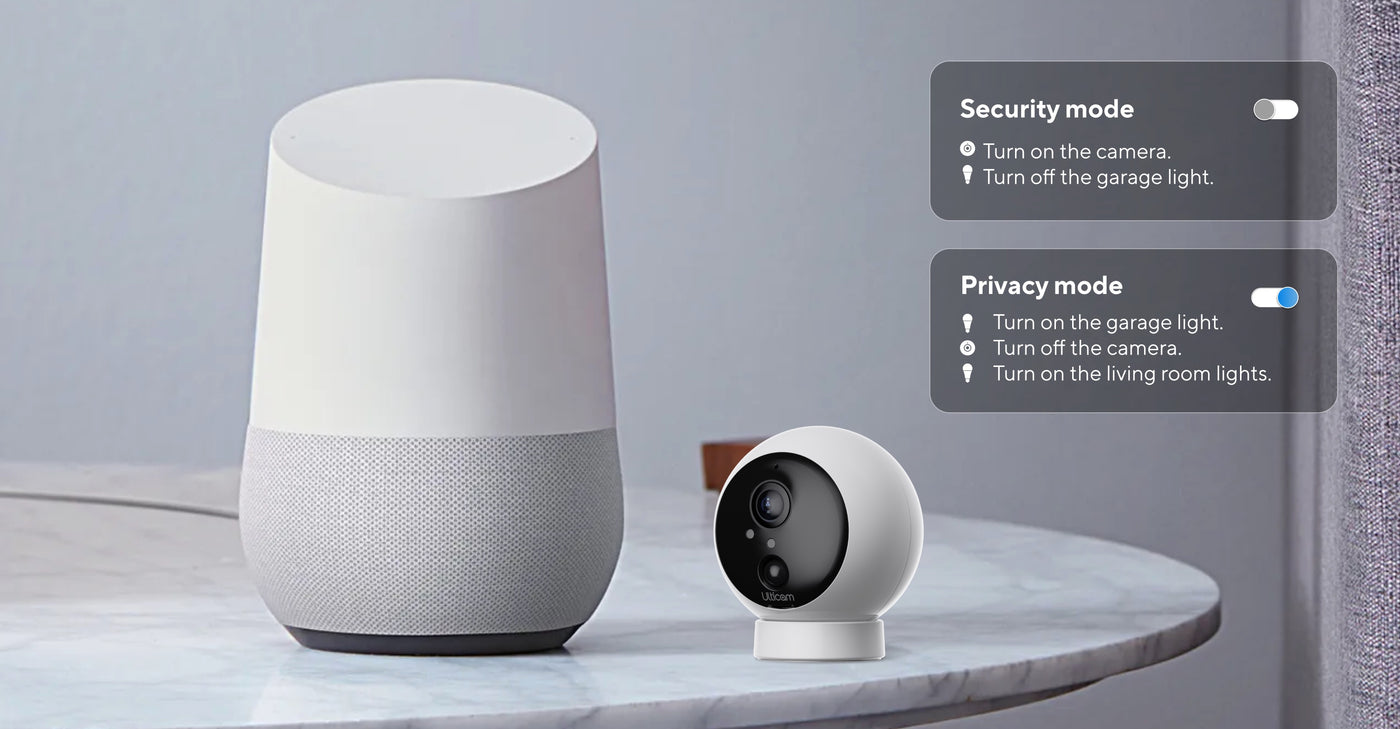
Voice Control for Cameras

Voice commands via Google Home offer easier control than the Camera app. Just say "Hey Google, turn on living room camera" or "check front door camera" for hands-free monitoring.
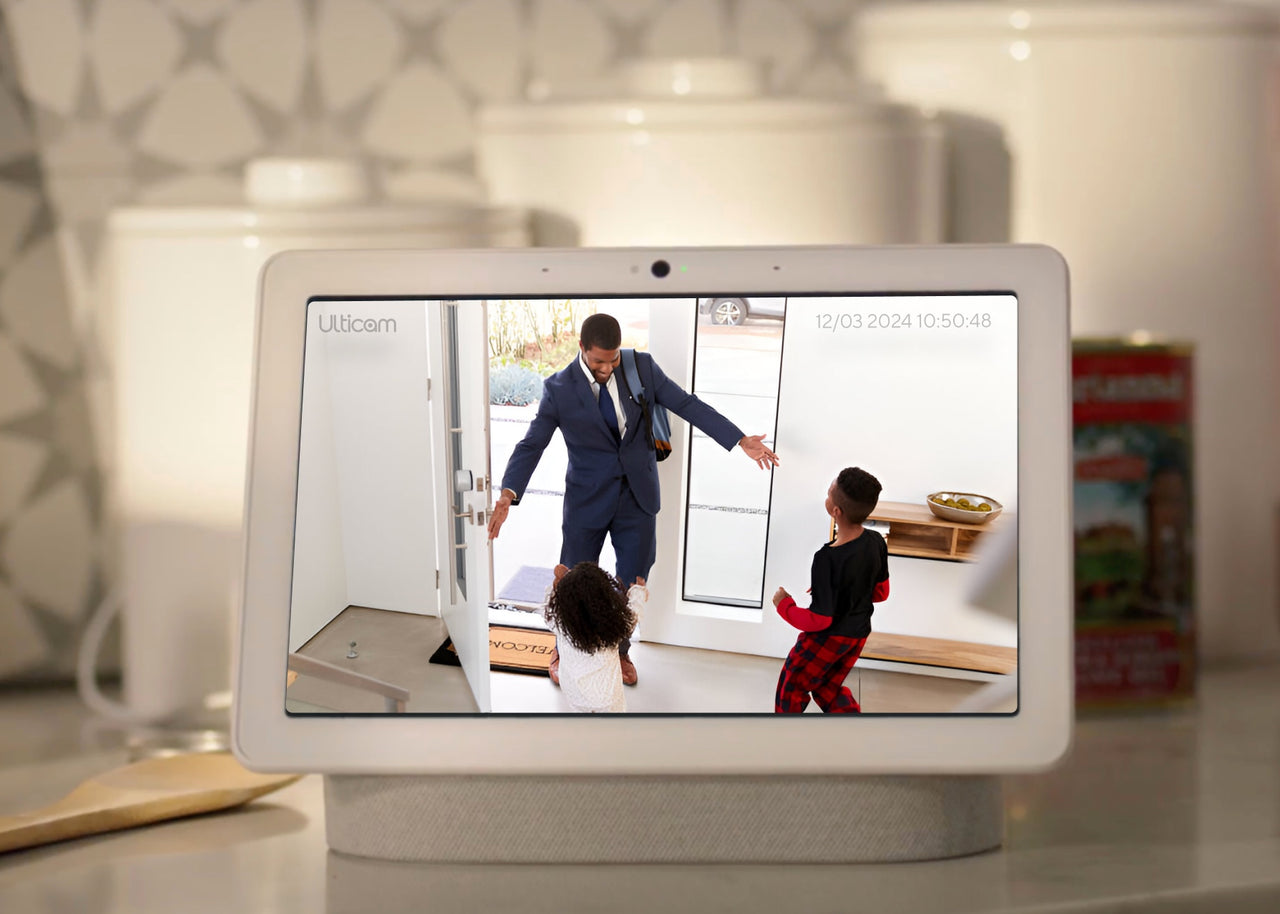
Personalized Camera Scenes

Create custom automations like "Good Night" mode that activates cameras, dims lights, and turns off TVs with a single command - adding intelligence to your smart home security.

Seamless Google Home Integration

Google Home as a smart home hub supports automated connectivity between cameras and other devices

Always-On Video.
Never Miss a Moment.

Traditional cameras wake up when something happens. Ulticam AOV cameras are already watching.

AOV vs PIR Comparison

AOV VS PIR: Two Very Different Approaches

Always-On Video (AOV) Traditional PIR-Based Cameras
How it works:
  • Camera stays in an ultra-low-power video state
  • Continuously captures key frames
  • AI detects events directly from video
  • Full event timeline is already available
  • Camera sleeps
  • PIR detects motion IR objects
  • Camera wakes up
  • Video recording starts
What you get:
  • Pre-event footage
  • Detection distance is not limited by the sensor
  • Instant detection
  • Complete story, start to finish
  • Delayed recording
  • Missed entry moments
  • Detection range is limited by the PIR sensor (typically only 6-8 meters)
  • Non-infrared objects will be ignored
  • Inconsistent event coverage