Always-On Video.
Never Miss a Moment.

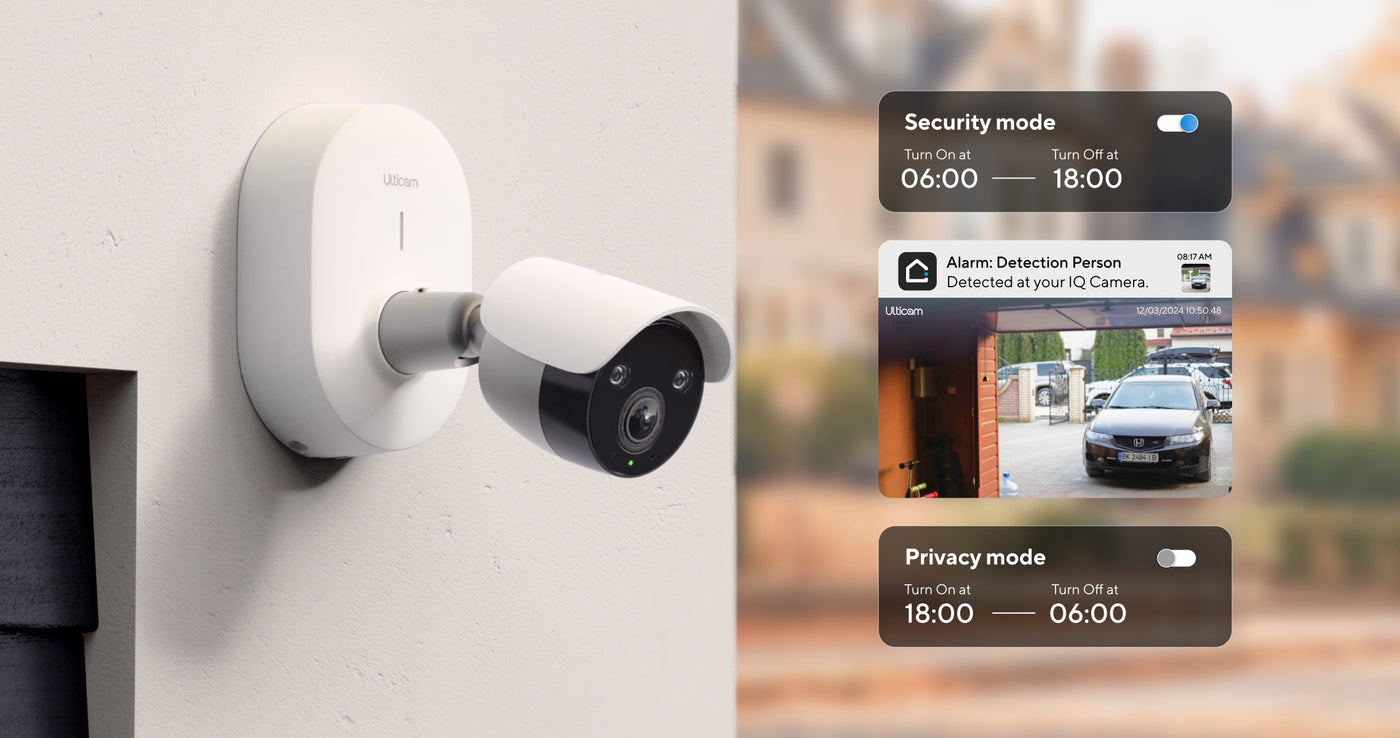
Traditional cameras wake up when something happens. Ulticam AOV cameras are already watching.

AOV vs PIR Comparison

AOV VS PIR: Two Very Different Approaches

Always-On Video (AOV) Traditional PIR-Based Cameras
How it works:
  • Camera stays in an ultra-low-power video state
  • Continuously captures key frames
  • AI detects events directly from video
  • Full event timeline is already available
  • Camera sleeps
  • PIR detects motion IR objects
  • Camera wakes up
  • Video recording starts
What you get:
  • Pre-event footage
  • Detection distance is not limited by the sensor
  • Instant detection
  • Complete story, start to finish
  • Delayed recording
  • Missed entry moments
  • Detection range is limited by the PIR sensor (typically only 6-8 meters)
  • Non-infrared objects will be ignored
  • Inconsistent event coverage

Works with Alexa

Control various Ulticam devices on your Alexa.

Voice Control for Cameras

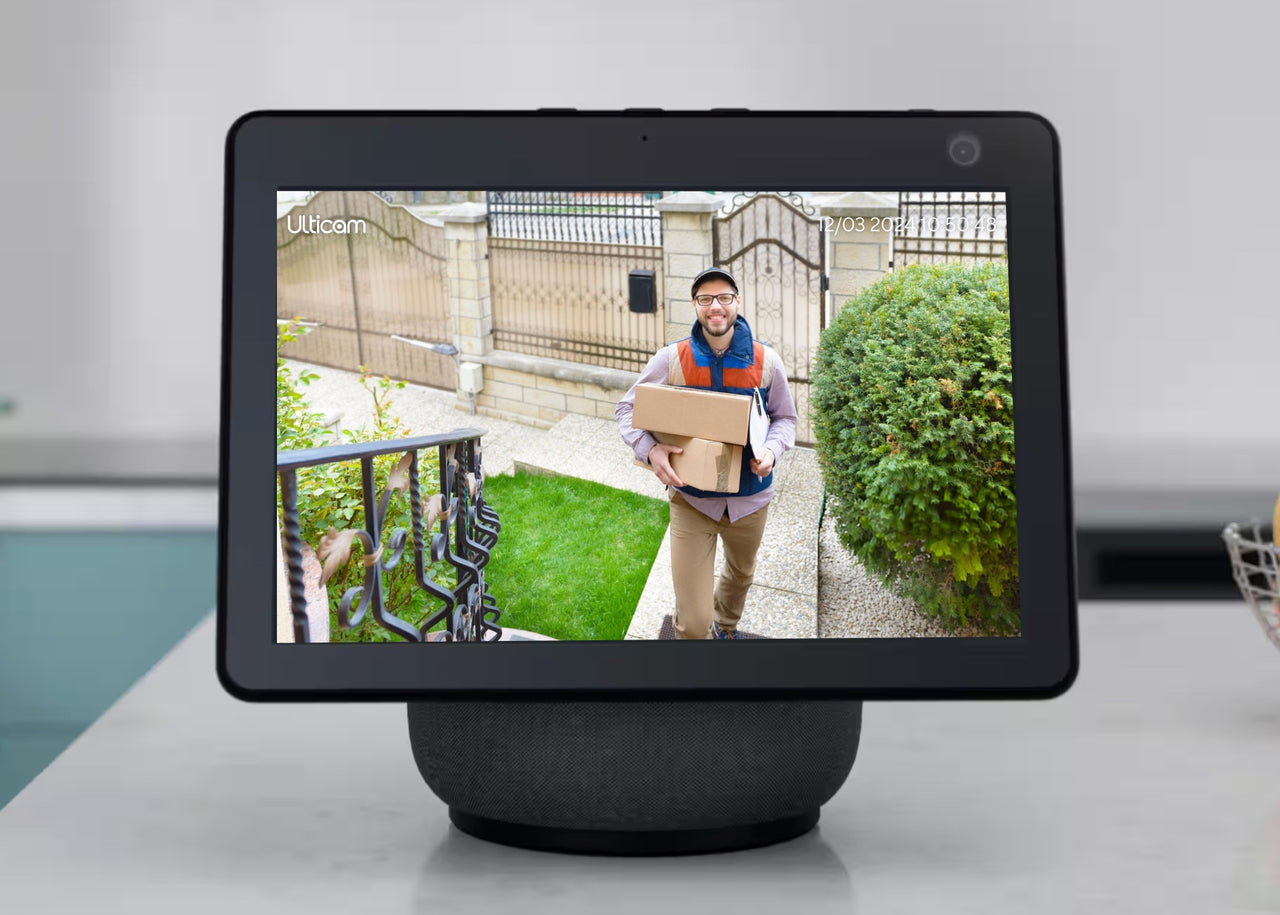
Control cameras with Amazon's assistant. Simply say "Alexa, turn on porch camera" or "Alexa, show me the backyard" to view feeds directly on Echo Show devices.
Personalized Camera Scenes

Create custom security sequences with Alexa. Set up a "Leaving Home" routine that arms all cameras, locks doors, and sends notifications if motion is detected while you're away.

Seamless Alexa Integration

Alexa as a smart home hub supports automated connectivity between cameras and other devices

Always-On Video.
Never Miss a Moment.

Traditional cameras wake up when something happens. Ulticam AOV cameras are already watching.

AOV vs PIR Comparison

AOV VS PIR: Two Very Different Approaches

Always-On Video (AOV) Traditional PIR-Based Cameras
How it works:
  • Camera stays in an ultra-low-power video state
  • Continuously captures key frames
  • AI detects events directly from video
  • Full event timeline is already available
  • Camera sleeps
  • PIR detects motion IR objects
  • Camera wakes up
  • Video recording starts
What you get:
  • Pre-event footage
  • Detection distance is not limited by the sensor
  • Instant detection
  • Complete story, start to finish
  • Delayed recording
  • Missed entry moments
  • Detection range is limited by the PIR sensor (typically only 6-8 meters)
  • Non-infrared objects will be ignored
  • Inconsistent event coverage